Buying Guides
How to Buy Dietary Supplements Safely Online
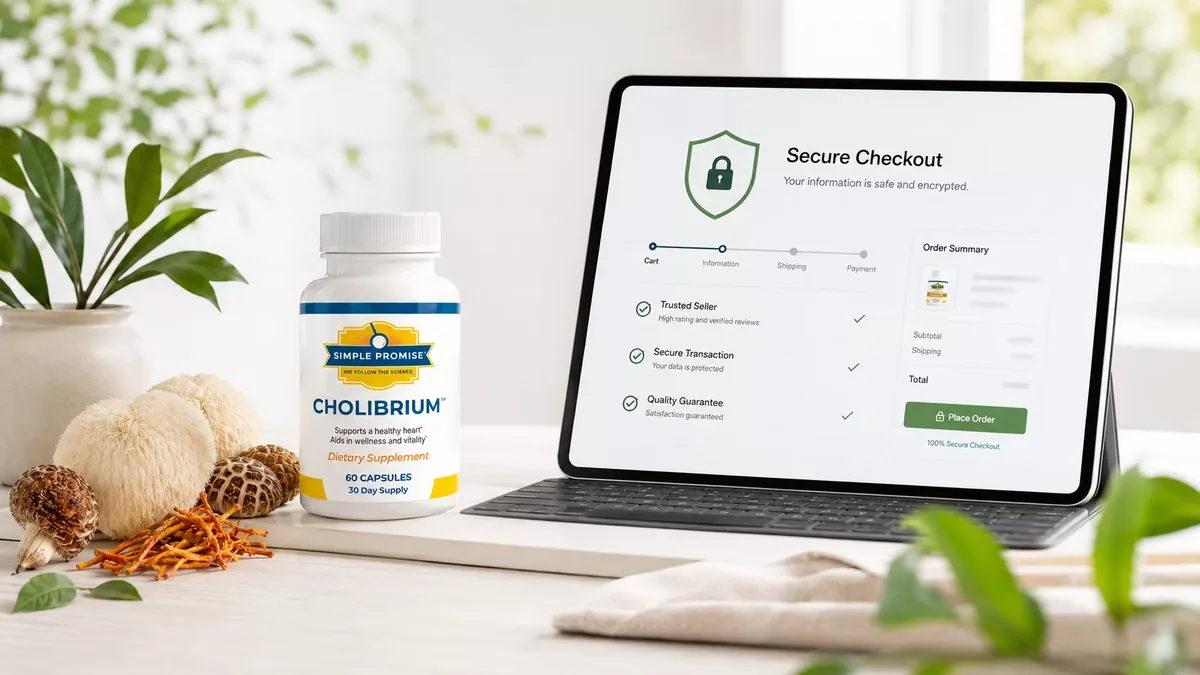
Before you enter card details, identify the company behind the page and find a real contact route and written refund policy. Confirm the checkout is secure and the total is clear, and check whether the order is one-time or a subscription. Treat disease-treatment claims and countdown-timer urgency as reasons to pause, and pay with a method that offers dispute protection.
Work out who is actually selling to you
Online supplement buying goes wrong in predictable ways, and nearly all of them trace back to one question people skip: who is the seller, and how would I reach them if something went wrong? Before you enter a card number, find a company name, a physical address and a working contact route. A business that hides behind a landing page and an order button is a business that will be hard to hold to a refund promise.
Look for a customer-service email or phone number that isn’t buried, a returns policy written in plain terms, and terms and conditions that name a legal entity. Search the company name separately and see what comes back. Absence of independent traces isn’t proof of anything sinister, but it does mean you’re relying entirely on the seller’s own word.
Checkout domains and payment security
It is normal for a product site to hand you off to a separate checkout or payment processor at the moment of purchase, and by itself that is not a warning sign. What matters is that the connection is secure (https, with a padlock in the address bar), that the page clearly states what you are buying and the total, and that the domain looks like a real processor rather than a lookalike of the brand name with odd spelling. Read the domain carefully rather than glancing at it.
Pay with a method that gives you recourse. Credit cards and established payment services generally offer dispute mechanisms; bank transfers, gift cards and cryptocurrency usually do not. If a seller pushes you toward an irreversible payment method, stop.
Recurring billing and the fine print
The single most common complaint in the supplement world is a charge people did not expect. Before confirming an order, check whether it is a one-time purchase or a subscription, when the next charge lands and for how much, and exactly how to cancel. Screenshot the checkout page and keep the confirmation email. If cancellation is only possible by phone during limited hours, factor that in.
| Check | Reassuring | Worth pausing over |
|---|---|---|
| Seller identity | Named company, address, contact route | No identifiable business behind the page |
| Checkout | Secure https page, clear total | Unclear totals or an odd lookalike domain |
| Billing | One-time purchase clearly stated | Auto-renewal buried in small print |
| Refunds | Written policy, clear steps and window | “Guarantee” with no published terms |
| Claims | Cautious “may support” language | Promises to treat or cure a condition |
| Pressure | Calm, informative pages | Countdown timers, “only 3 left” urgency |
Claims and pressure tactics are safety signals
A seller’s marketing tells you something about how it treats customers. Under U.S. law, supplements may not be marketed as treatments for disease, and the FDA does not approve them for safety or effectiveness before sale [1]. So a page promising to treat high cholesterol or cure a condition is, at minimum, ignoring the rules that exist to protect you — and that is worth knowing before you trust the same company with your card details and your refund.
Manufactured urgency deserves the same skepticism. Countdown clocks and stock warnings are designed to stop you doing exactly what this article recommends: pausing to check. A product that is genuinely worth buying today will still be worth buying after you’ve read the refund policy.
Marketplaces and product authenticity
Some brands sell only through their own website; others use large marketplaces. Direct-only distribution is a business decision, and it is not by itself evidence that marketplace listings are counterfeit — we won’t make accusations we cannot support. What’s reasonable is a general precaution that applies anywhere you shop: buy from the brand’s official channel or an authorized retailer, check that packaging and lot numbers look right, and be wary of prices dramatically below the norm, since deep discounts on tightly controlled products are a common thread in genuine counterfeit cases.
Cholibrium is an example of the direct-sales model: the manufacturer states that it is sold through its own website rather than in stores. If you want the seller’s own account of how and where it distributes, the company publishes its Cholibrium seller and purchasing information. As with any seller, read that as the company’s statement, then apply the checklist above yourself.
Limitations of these checks
These steps reduce risk; they do not eliminate it. A professional-looking website is easy to build, and a secure checkout page says nothing about whether a product works. No amount of purchasing diligence substitutes for the underlying question of whether the supplement has evidence behind it — a question we address in our evidence review.
What to do next
Before your next supplement purchase, spend five minutes on the checklist above, and one more minute confirming the total cost using our price comparison guide. If you take medication or have a health condition, the most valuable check of all happens before checkout: a conversation with a pharmacist about interactions and side effects.